
Generate Structured Longevity Roadmaps for Your Patients
A provider-facing decision-support tool that turns patient goals, medical history, medications, symptoms, and labs into a structured clinical roadmap.
The Longevity Roadmap Tool helps Providers Organize Complex Longevity Care Into a Step-by-Step Framework
This is clinical decision support designed to help providers think more clearly, document more consistently, and monitor patients more safely over time. Built for licensed healthcare providers offering biomarker-driven longevity, metabolic, hormone, peptide, sexual health, and wellness care.

Enhanced oxygen efficiency

Improved endurance potential

Supports mitochondrial energy production

Promotes recovery and resilience

Longevity Patients Rarely Come In With One Simple Problem
A typical longevity patient may say:
“I want to lose weight.”
“I feel tired all the time.”
“I want my hormones checked.”
“I heard about peptides.”
“I want better sleep.”
“I want more libido.”
“I want to age better.”
“I want to optimize my labs.”
“I want to feel like myself again.”
The provider’s job is not to simply match a patient request to a drug.
The provider’s job is to determine:
- What is the patient asking for?
- What does the patient actually need?
- What needs to be ruled out first?
- What is safe to consider?
- What should be delayed?
- What should be avoided?
- What needs monitoring?
- What should be documented?
- What should trigger referral?
That is hard to do without a system.


The Roadmap Tool Gives Providers a Repeatable Clinical Workflow
Instead of relying on scattered notes, memory, or one-size-fits-all protocols, the provider uses a consistent workflow:
✅ Collect patient data
✅ Rank patient goals
✅ Review medical history
✅ Review medications
✅ Enter labs
✅ Identify risk flags
✅ Review contraindications
✅ Consider therapy categories
✅ Create monitoring plan
✅ Generate documentation prompts
✅ Update the roadmap over time
The result is a structured provider-facing roadmap that supports clinical judgment.
The Roadmap Tool Does Not Replace the Provider
✅ The tool does not diagnose.
✅ The tool does not prescribe.
✅ The tool does not replace clinical judgment.
✅ The tool does not guarantee outcomes.
It helps the provider organize information, identify missing data, review clinical cautions, and structure the next step.
The licensed provider remains responsible for all diagnosis, treatment, prescribing, monitoring, and patient-specific decision-making.
From Scattered Patient Data to a Structured Longevity Plan
Longevity care becomes more complex when patients have multiple goals and multiple therapy options. The roadmap tool helps providers bring structure to that complexity.
Patient Goals
The tool captures what the patient wants and ranks goals by priority.
Examples:
- Weight loss
- Energy
- Sleep
- Libido
- Strength
- Recovery
- Mood
- Cognitive function
- Metabolic health
- Hormone optimization
- Appearance
- Inflammation reduction
- Performance
- Healthspan optimization
Medical History
The tool organizes major clinical history that may affect therapy selection.
Examples:
- Cardiovascular disease
- Hypertension
- Diabetes
- Prediabetes
- Thyroid disease
- Cancer history
- Autoimmune disease
- Kidney disease
- Liver disease
- Sleep apnea
- Psychiatric history
- Seizure history
- Clotting history
- Fertility goals
- Pregnancy or breastfeeding
- Gallbladder disease
- Pancreatitis history
- Eating disorder history
Medication Review
The tool helps providers review the patient’s medication list for potential clinical concerns.
Examples:
- Antihypertensives
- Diabetes medications
- Insulin
- Anticoagulants
- Antiplatelet drugs
- Thyroid medication
- Psychiatric medications
- Hormonal therapies
- Steroids
- Immunosuppressants
- Opioids
- Stimulants
- PDE5 inhibitors
- Supplements
- Prior compounded therapies
Lab Values
The tool allows providers to enter and track relevant biomarker data.
Examples:
- CBC
- CMP
- Fasting glucose
- Hemoglobin A1c
- Fasting insulin
- Lipid panel
- ApoB
- Lipoprotein(a)
- hs-CRP
- TSH
- Free T4
- Free T3
- Total testosterone
- Free testosterone
- Estradiol
- Progesterone
- SHBG
- LH
- FSH
- DHEA-S
- IGF-1
- PSA
- Vitamin D
- B12
- Ferritin
- Homocysteine
- Urinalysis
- Pregnancy test, when applicable
Follow-Up Data
The tool becomes more useful over time as follow-up data are added.
Examples:
- Repeat labs
- Weight changes
- Body composition changes
- Side effects
- Medication adherence
- Energy changes
- Sleep changes
- Libido changes
- Mood changes
- Appetite changes
- GI symptoms
- Injection site reactions
- Blood pressure changes
- New symptoms
- Patient-reported outcomes
What the Roadmap Tool Generates
A Provider-Facing Roadmap Organized Around Clinical Priorities
The output should be clean, structured, and easy to review.
Nurse Practitioners and Physician Assistants
A concise overview of the patient’s clinical profile.
May include:
- Age
- Sex
- BMI
- Primary goals
- Secondary goals
- Key symptoms
- Key symptoms
- Relevant history
- Current medications
- Baseline lab status
- Risk level
- Follow-up status
Goal Priority Map
The roadmap organizes patient goals by clinical priority.
Example:
- Primary Goal: Weight loss
- Secondary Goal: Energy improvement
- Third Goal: Hormone optimization
- Fourth Goal: Sleep and recovery
- Long-Term Goal: Healthspan optimization
This prevents the visit from becoming a random menu of therapies.
Missing Data Checklist
The tool identifies information that may be needed before a roadmap can be finalized.
Examples:
- Missing baseline labs
- Incomplete medication list
- Missing family history
- Missing blood pressure
- Missing pregnancy
- statusMissing hormone labs
- Missing renal function
- Missing liver function
- Missing A1c
- Missing PSA before testosterone consideration
- Missing IGF-1 before GH-axis therapy consideration
- Missing sleep apnea screening
- Missing contraindication review
Risk Flags
The tool highlights patient-specific issues that require provider review.
Examples:
- History of pancreatitis before GLP-1 consideration
- Personal or family history of medullary thyroid carcinoma before GLP-1 consideration
- Elevated hematocrit before testosterone consideration
- Elevated PSA before testosterone consideration
- Severe untreated sleep apnea before testosterone consideration
- Uncontrolled hypertension before certain therapies
- Nitrate use before PDE5 inhibitor consideration
- Pregnancy or breastfeeding before many therapies
- Active malignancy or recent cancer history before certain growth or immune-related therapies
- Severe psychiatric instability before neuroactive therapies
- Abnormal liver or kidney function before medication initiation
- Unexplained symptoms requiring workup
Therapy Category Considerations
The roadmap may identify therapy categories that could be reviewed by the provider.
Examples:
- Metabolic health therapy review
- GLP-1 therapy review
- Hormone optimization review
- Sexual health therapy review
- Growth hormone axis review
- Peptide therapy education review
- Sleep optimization review
- Sleep optimization review
- Nutritional deficiency review
- Cardiovascular risk optimization review
- Mitochondrial support review
- Lifestyle and strength training review
Baseline Lab Recommendations
The roadmap may suggest baseline lab categories for provider consideration.
Examples:
- Metabolic labs
- Hormone labs
- Cardiovascular risk labs
- Inflammatory markers
- Nutritional markers
- Liver and kidney function
- Safety labs
- Pregnancy testing when applicable
- Therapy-specific labs
Monitoring Schedule
The roadmap may generate a structured follow-up schedule.
Examples:
- Initial baseline review
- 4-week side effect check
- 6 to 8-week symptom review
- 8 to 12-week repeat labs
- Monthly follow-up for higher-risk patients
- Every-other-month follow-up for stable patients
- Quarterly monitoring for ongoing therapy
- Six-month comprehensive review
- Annual longevity review
Patient Counseling Prompts
The roadmap can provide counseling prompts based on therapy categories and patient risks.
Examples:
- Expected benefits should not be guaranteed
- Off-label status should be discussed when applicable
- Unapproved therapy status should be disclosed when applicable
- Lifestyle foundations should be reviewed
- Side effects should be explained
- Monitoring requirements should be discussed
- Stop conditions should be reviewed
- Patient questions should be documented
- Alternatives should be discussed
- Urgent symptoms should be explained
Documentation Prompts
The roadmap supports cleaner documentation.
Examples:
- Patient goals reviewed
- Medical history reviewed
- Medication list reviewed
- Contraindications reviewed
- Baseline labs reviewed
- Risks and benefits discussed
- Alternatives discussed
- Off-label or unapproved status discussed, if applicable
- Patient education provided
- Monitoring plan established
- Follow-up interval selected
- Stop conditions reviewed
- Provider judgment applied
Stop or Pause Conditions
The roadmap helps define when treatment should be paused or stopped.
Examples:
- Serious adverse reaction
- New contraindication
- Pregnancy
- Significant lab abnormality
- Worsening symptoms
- No clear indication
- Lack of benefit
- Patient nonadherence with monitoring
- Concerning blood pressure changes
- Severe mood changes
- Severe GI symptoms
- Suspected pancreatitis
- Possible thrombotic event
- Cancer diagnosis or recurrence concern, depending on therapy
- Provider concern
- Patient request
Give Every Longevity Patient a Clearer Clinical Roadmap
The Longevity Roadmap Tool helps organize goals, history, labs, risks, monitoring, and follow-up into one provider-facing clinical roadmap.
How the Roadmap Tool Works
Create a Patient Profile
Enter core demographic and clinical information.
Examples:
- Age
- Sex
- Height
- Weight
- BMI
- Blood pressure
- Primary concerns
- Current medications
- Medical history
- Allergies
- Prior therapies
Rank Patient Goals
Select and prioritize the patient’s desired outcomes.
Examples:
- Weight loss
- Energy
- Sleep
- Hormones
- Libido
- Recovery
- Strength
- Performance
- Mood
- Cognitive function
- Healthspan
This helps the provider avoid trying to treat everything at once.
Enter Medical History and Risk Factors
Document relevant medical history, family history, contraindications, and caution areas.
The tool helps organize risk before therapy is considered.
Enter Baseline Labs
Add lab values manually or through future integration.
The roadmap uses lab categories to identify missing data, monitoring needs, and therapy-specific review areas.
Review Flags and Missing Data
Before a roadmap is finalized, the provider reviews:
- Missing labs
- High-risk history
- Medication interactions
- Contraindication concerns
- Therapy-specific cautions
- Documentation gaps
Generate the Roadmap
The tool creates a structured roadmap for provider review.
The roadmap may include:
- Patient summary
- Goal map
- Risk flags
- Missing labs
- Therapy category review
- Monitoring plan
- Patient counseling prompts
- Documentation prompts
- Stop conditions
- Follow-up recommendations
Provider Reviews and Finalizes
The licensed provider applies independent clinical judgment.
The roadmap supports the process.
The provider makes the decision.
Monitor and Update Over Time
At monthly or every-other-month follow-up, the provider enters:
- Repeat labs
- Side effects
- Symptoms
- Progress updates
- Adherence
- New diagnoses
- New medications
- Patient-reported outcomes
The roadmap updates as the patient changes.
The Roadmap Gets Smarter as the Patient Reports Back
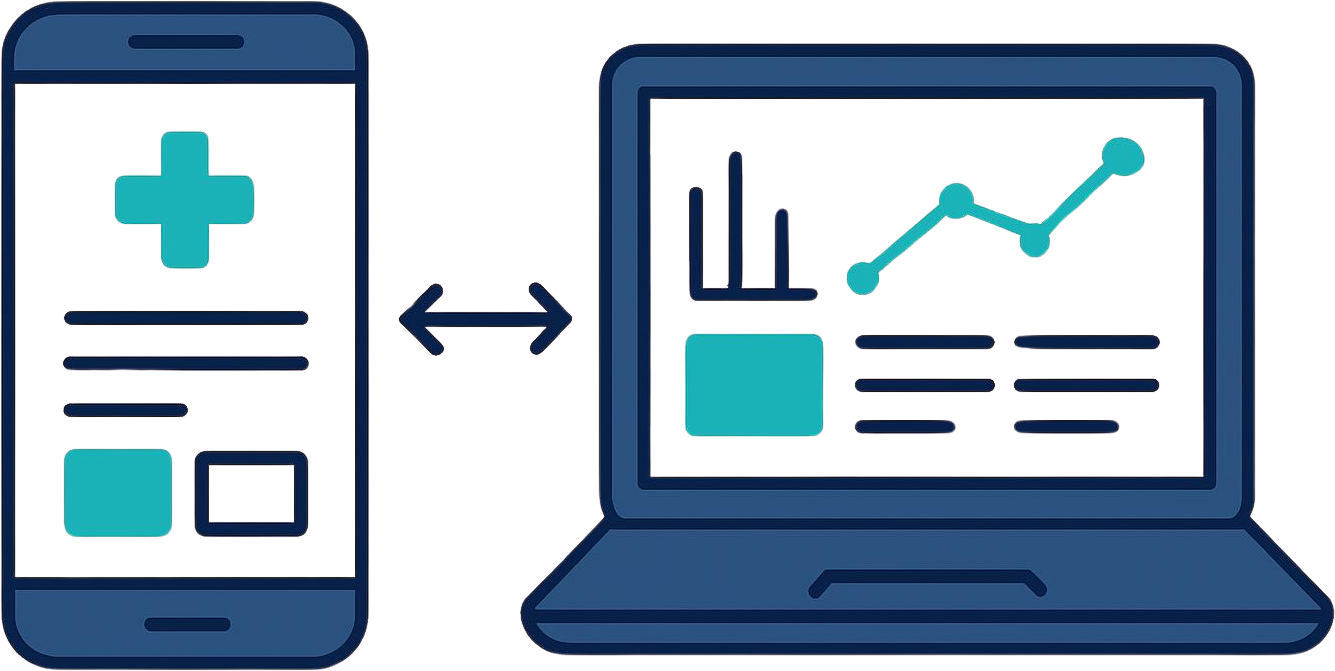
The roadmap tool connects naturally to the patient app.
Patients can report:
- Side effects
- Energy changes
- Sleep changes
- Libido changes
- Mood changes
- Weight changes
- Appetite changes
- Exercise tolerance
- Recovery
- GI symptoms
- Injection site reactions
- Medication adherence
- New symptoms
- Lab completion
- Progress toward goals
The provider can review this data before follow-up visits.
Then the roadmap can be updated based on:
- Repeat labs
- Patient response
- Side effects
- New symptoms
- New medications
- New goals
- Clinical concerns
- Provider judgment
This turns longevity care into an ongoing system, not a one-time visit.
Roadmap Tool and Patient App Integration
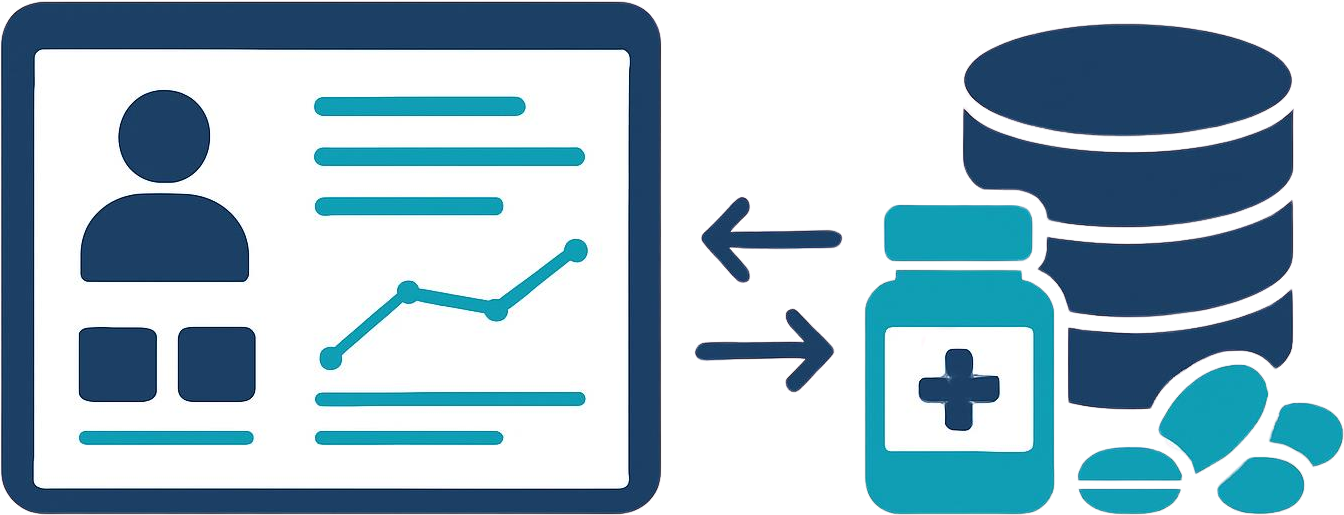
Roadmap Tool and Drug Library Integration
Therapy-Specific Logic Connected to Clinical Monographs
The roadmap tool can connect to the Drug Library so providers can quickly review relevant monographs. Example:
If testosterone therapy is being considered, the tool can prompt review of:
- CBC
- Hematocrit
- PSA
- Testosterone levels
- Estradiol
- Sleep apnea risk
- Fertility goals
- Contraindications
- Monitoring schedule
- Patient counseling
- Stop conditions
If GLP-1 therapy is being considered, the tool can prompt review of:
- A1c
- Fasting glucose
- Renal function
- GI history
- Pancreatitis history
- Gallbladder history
- Pregnancy status
- Medication interactions
- Hydration risk
- Lean mass preservation
- Side effect monitoring
If growth hormone axis therapy is being considered, the tool can prompt review of:
- IGF-1
- Glucose markers
- Cancer history
- Edema
- Joint symptoms
- Carpal tunnel symptoms
- Sleep apnea risk
- Regulatory status
- Monitoring plan
- Stop conditions
Clinical Safety
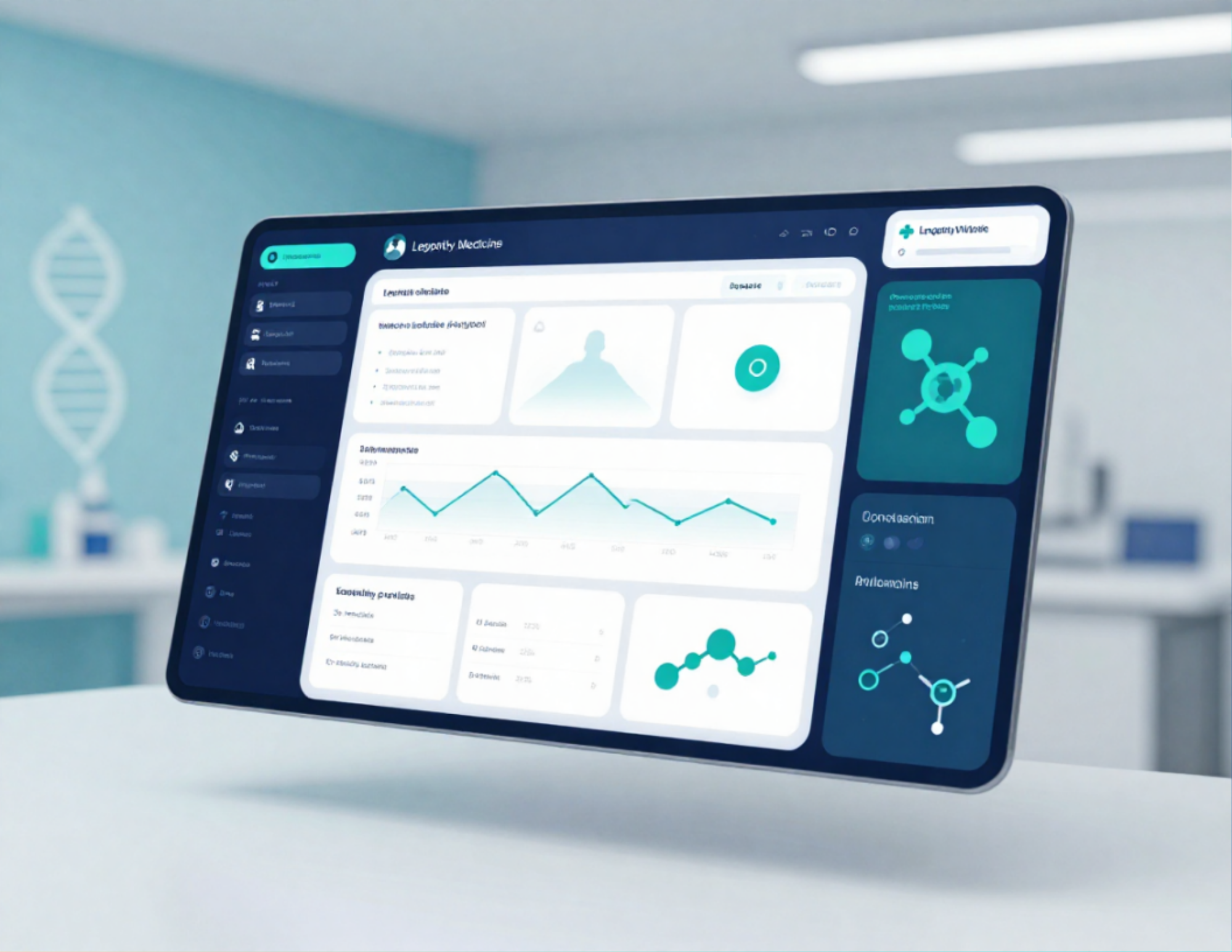
 Built Around Guardrails, Not Guesswork
The Roadmap Tool is built around a safety-first clinical philosophy
No Therapy Without a Reason
The roadmap starts with goals, symptoms, history, and labs. It does not start with a drug menu.
No Treatment Without Risk Review
The tool helps identify contraindications, caution areas, missing labs, and possible medication interactions.
No Protocol Without Monitoring
Every roadmap should include a monitoring plan, repeat lab timing, side effect review, and follow-up structure.
No Unapproved Therapy Without Clear Context
If unapproved, compounded, investigational, or off-label therapies are discussed, the roadmap should support clear documentation, patient education, and regulatory awareness.
No Plan Without Provider Judgment
The roadmap supports the provider. It does not replace the provider.
Built by Providers Who Understand Clinical Training, Aesthetics, Longevity, and Practice Growth

Longevity Medicine Certification was co-founded by Dr. Jay Park, MD, a physician entrepreneur with full-time experience in the aesthetics, wellness, and longevity industry since 2006.
Dr. Park has been active in the anti-aging and longevity space since the early days of the modern movement, including involvement with the American Academy of Anti-Aging Medicine and work as a Suracell Ambassador, focusing on early personal genetic analysis and nutrigenomics.
Since 2006, Dr. Park has helped launch, train, support, or advise hundreds of practices, including :
• Medspas
• A national medspa franchise
• Plastic surgery offices
• Integrative medicine practices
• Functional medicine clinics
• Anti-aging and longevity centers
• Ketamine treatment clinics for depression
• Concierge medical practices
• Aesthetic and wellness practices expanding into advanced care models
Dr. Park has also served as a speaker, trainer, consultant, or partner with companies in aesthetics and medical wellness, including :
• Galderma
• Merz
• Thermage
• Obagi
• Prollenium
• Medicis Pharmaceutical Corporation
• Valeant Pharmaceuticals
He is also the co-founder of Cosmetic Medical Training and Medspa Circle, two platforms focused on clinical training, aesthetic practice development, provider education, medical spa operations, and business support.
Turn Complex Longevity Care Into a Structured Clinical Roadmap
Longevity medicine should not be built around scattered notes, random treatment menus, or one-time consultations.
Drug Library Access by Membership Level
Certification Only
Best for providers who want education and foundational training.
Includes:
- Online certification course
- Core modules
- Certificate of completion
- Foundational clinical framework
Drug library access may be limited or not included depending on plan design.
Certification Plus Drug Library
Best for providers who want training plus searchable clinical monographs.
Includes:
- Everything in Certification Only
- Full drug monograph library
- Therapy category summaries
- Regulatory status review
- Contraindication summaries
- Monitoring guidance
- Patient counseling points
- Documentation prompts
Full Clinical Platform
Best for providers who want training, monographs, roadmap generation, and patient monitoring.
Includes:
- Everything in Certification Plus
- Drug Library
- Patient intake tool
- Lab input tool
- Goal prioritization
- Roadmap generator
- Follow-up roadmap updates
- Side effect tracking
- Patient app access
- Monitoring recommendations
- Clinical documentation prompts
Practice Builder
Best for providers launching or scaling a longevity service line.
Includes:
- Everything in Full Clinical
- Platform
- Clinical SOPs
- Consent templates
- Patient education resources
- Practice workflows
- Pricing templates
- Membership model templates
- Marketing templates
- Staff training tools
- Launch checklist
- Optional consulting or office hours
From Random Recommendations to Structured Roadmaps
Without a Roadmap Tool
- Patient asks for a therapy
- Provider relies on memory
- Labs may be inconsistent
- Risks may be missed
- Documentation varies
- Follow-up is reactive
- Treatment may feel random
- Patient updates are scattered
- Practice depends on provider improvisation
With the Longevity Roadmap Tool
- Patient goals are ranked and reviewed
- Provider follows structured clinical prompts
- Baseline and follow-up labs are organized
- Risk flags are surfaced for review
- Documentation prompts are included
- Monitoring schedule is built into the plan
- Care feels sequenced and intentional
- Side effects and progress are tracked
- Practice uses a repeatable workflow
What Providers Are Saying

“This gave our practice a framework for thinking through longevity care instead of just adding random treatments to the menu"

“The most valuable part was learning how to connect patient goals, labs, contraindications, and follow-up monitoring.”

“The certification helped our team understand the difference between offering popular therapies and building a structured clinical program.”
Frequently Asked Questions
Does the Roadmap Tool prescribe medications?
No. The Roadmap Tool does not prescribe medications. It organizes patient data and generates provider-facing decision-support information for clinical review.
Does the Roadmap Tool diagnose patients?
No. The tool does not diagnose. Diagnosis remains the responsibility of the licensed provider.
Can the Roadmap Tool recommend therapy categories?
The tool may organize therapy categories for provider review based on patient goals, history, labs, and risk factors. It should not be described as automatically prescribing or determining treatment.
Does the provider still make the final decision?
Yes. The provider remains responsible for all patient-specific decisions, including diagnosis, treatment, prescribing, monitoring, follow-up, and referral.
What information does the provider enter?
The provider may enter demographics, goals, medical history, medications, allergies, symptoms, lifestyle factors, baseline labs, follow-up labs, side effects, and patient-reported outcomes.
Can this tool be used for GLP-1 patients?
Yes. The roadmap tool can help organize metabolic health goals, baseline labs, contraindication review, side effect monitoring, weight loss progress, and follow-up lab timing.
Can this tool be used for hormone optimization?
Yes. The roadmap tool can help organize hormone-related goals, baseline hormone labs, contraindication review, monitoring needs, side effect tracking, and documentation prompts.
Can this tool be used for peptide medicine?
Yes. The roadmap tool may support peptide-related education, regulatory caution, risk review, monitoring prompts, and documentation. Inclusion of a peptide category does not mean endorsement, recommendation, legality, safety, or efficacy.
Does the tool integrate with the Drug Library?
The roadmap tool is designed to connect with the Drug Library so providers can review therapy-specific monographs, contraindications, monitoring labs, patient counseling points, and stop conditions.
Does the tool integrate with the Patient App?
The roadmap tool is designed to work with patient follow-up data, including side effects, symptoms, adherence, progress updates, and repeat labs.
Can medspas use the Roadmap Tool?
Yes. Medspas expanding into longevity, weight loss, hormones, peptides, or wellness can use the roadmap tool to create a more structured provider-facing workflow. All use must follow applicable medical, legal, supervision, and scope-of-practice requirements.
Can concierge practices use it?
Yes. Concierge practices can use the roadmap tool to support high-touch biomarker-driven care, follow-up planning, and ongoing patient optimization.
Is the Roadmap Tool available with certification?
Roadmap tool access depends on membership level. Certification-only users may receive education without software access. Full platform users may receive access to the roadmap generator and monitoring tools.